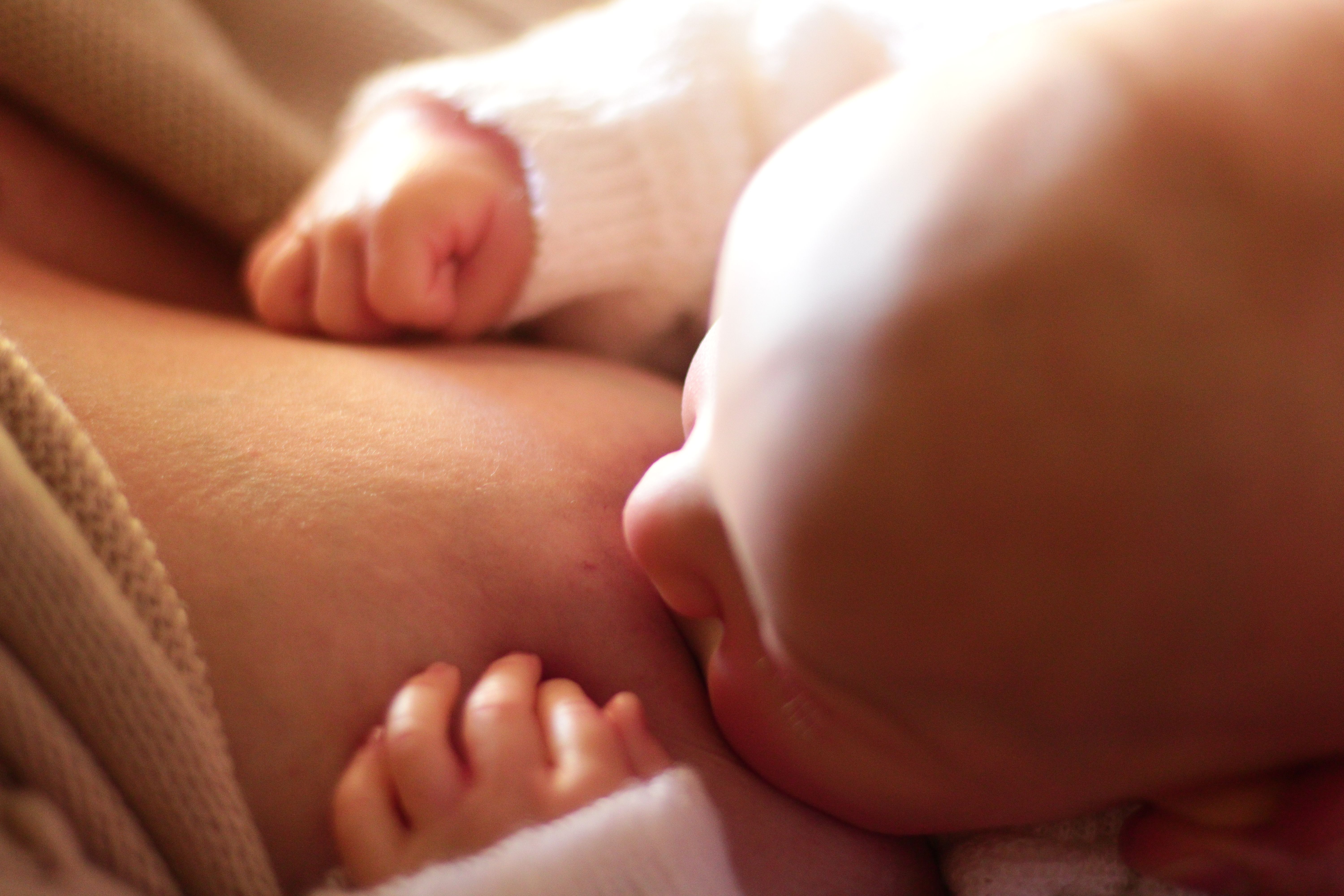
Breastfeeding Beyond Six Months: What the Science Actually Says
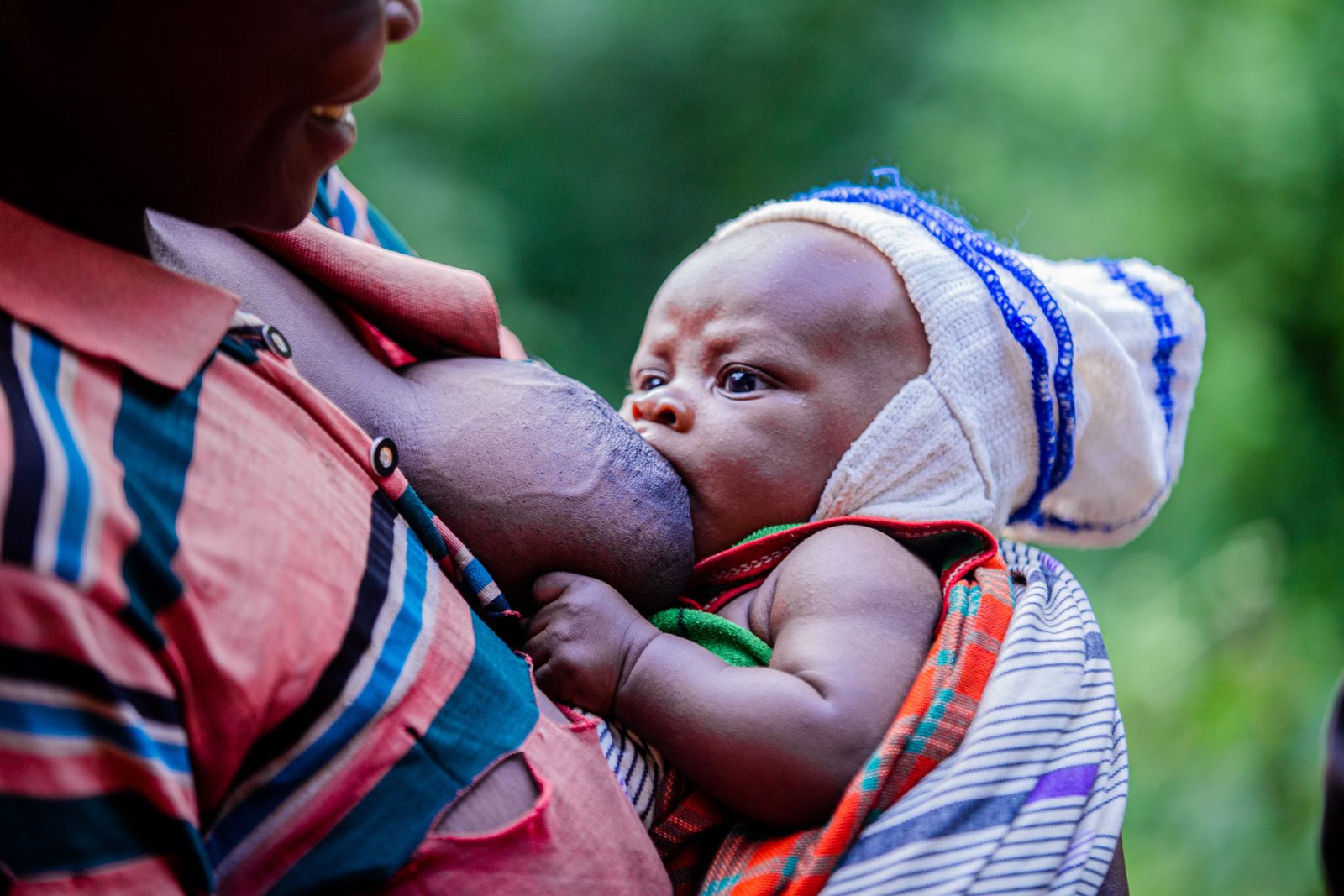
The recommendations are clear, but the research behind them is more nuanced, and more reassuring, than most parents realize.

From tracking feeds to monitoring pumping output, the right app can make breastfeeding less overwhelming. We reviewed the top options on the market.
The Front Page
Fresh off the press

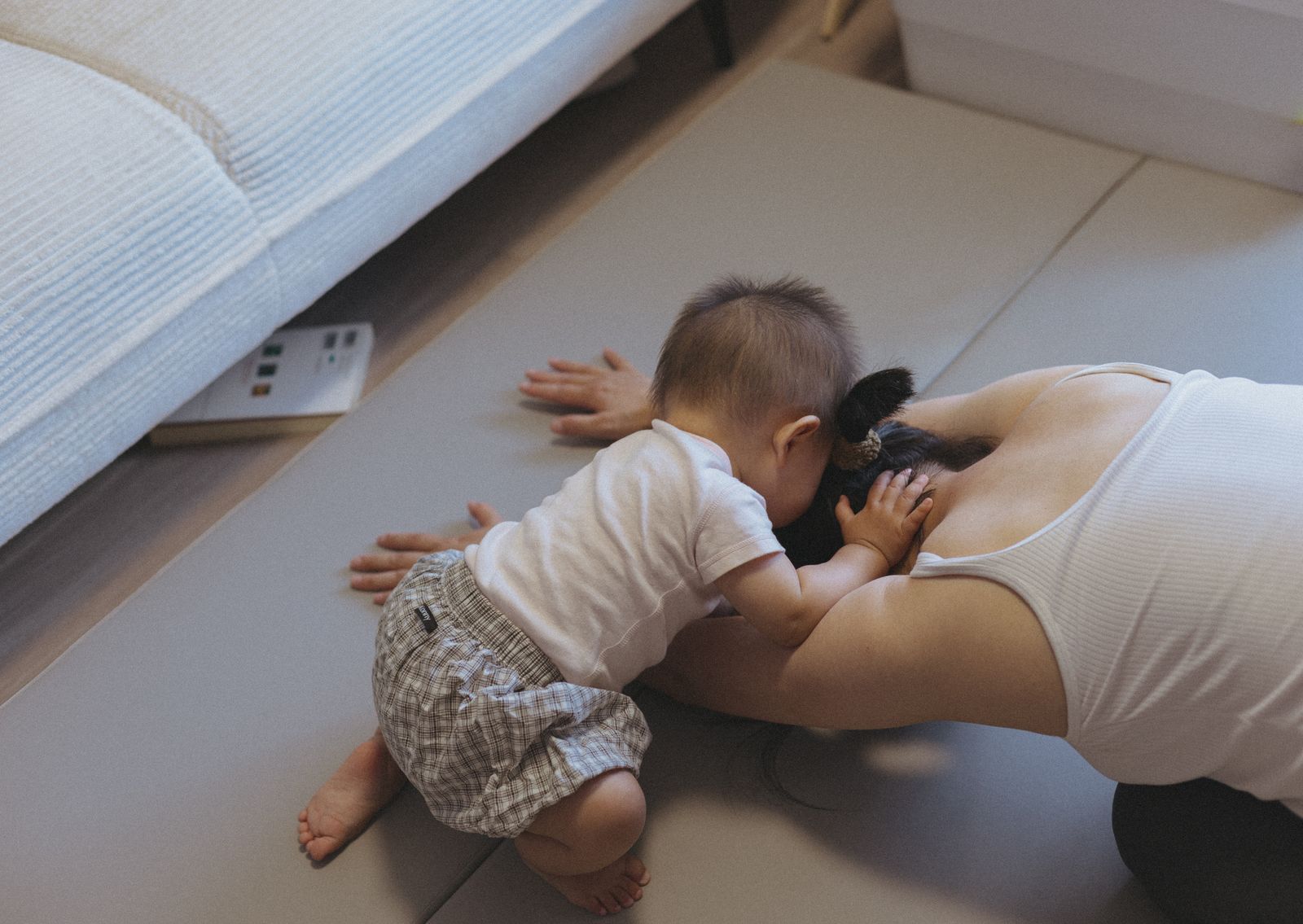
The recommendations are clear, but the research behind them is more nuanced, and more reassuring, than most parents realize.

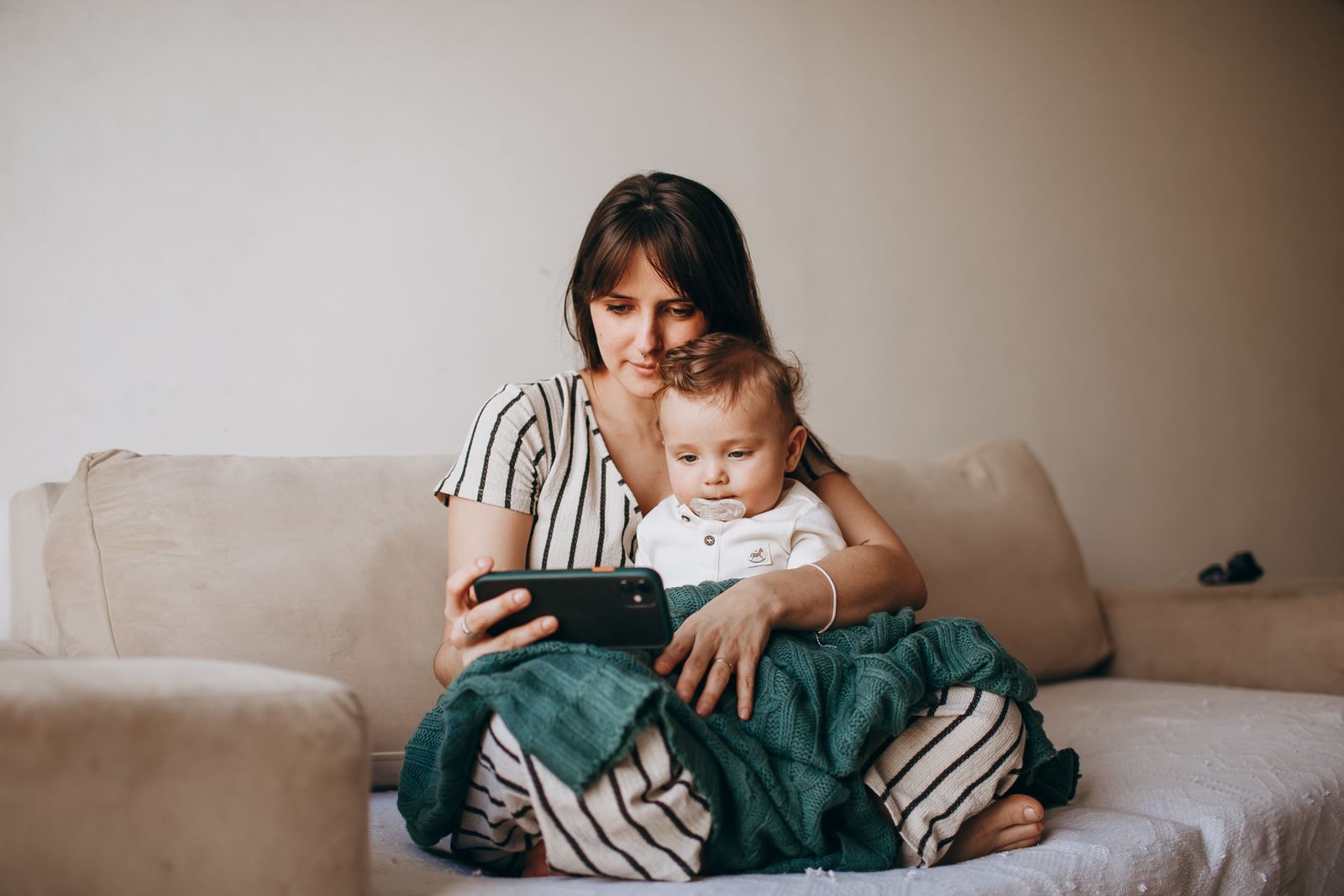
The headlines are scary. The research is more nuanced. Here is what the evidence actually shows about screens and the under-three set.

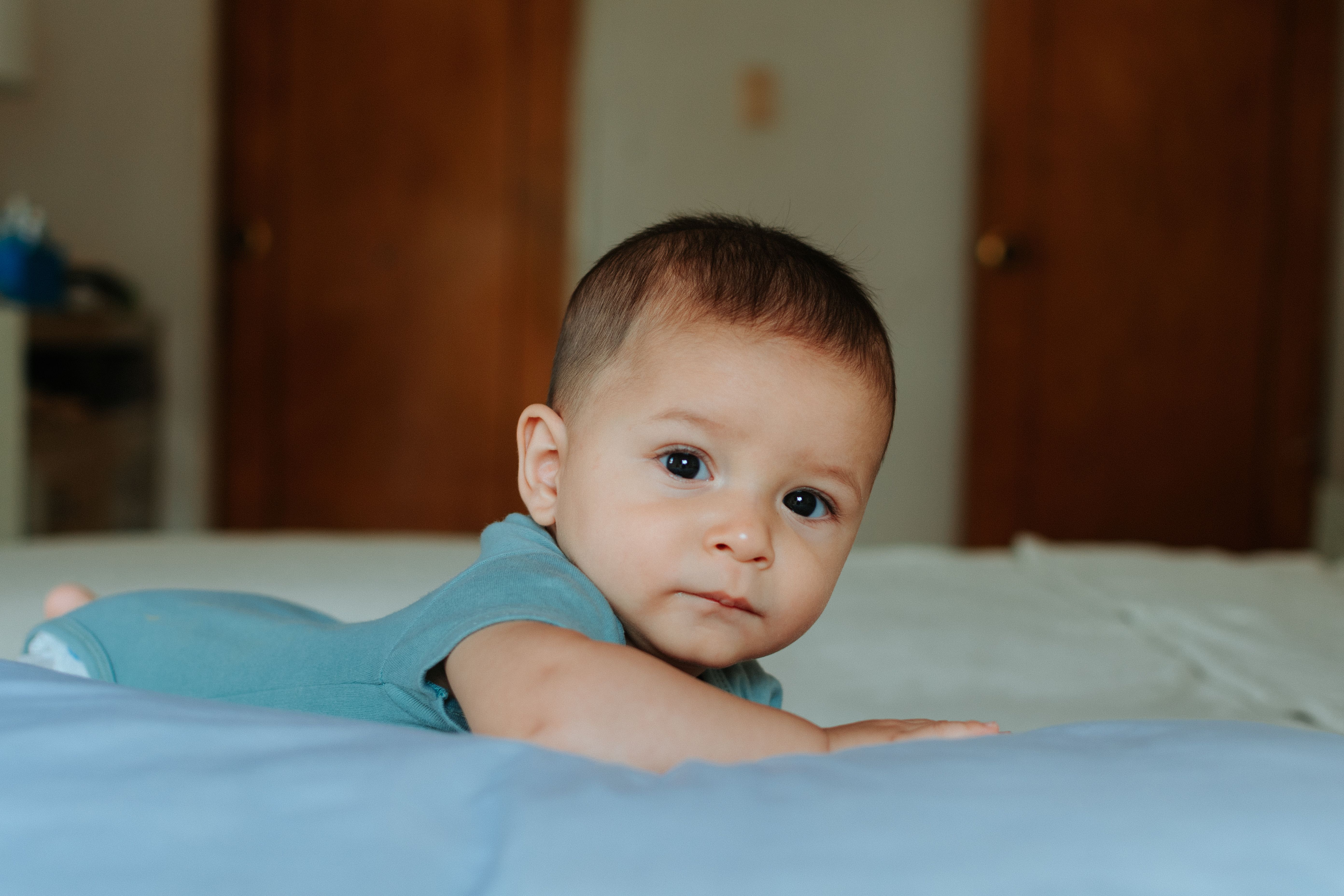
The Back to Sleep campaign saved thousands of lives. Tummy time is the simple, evidence-based answer to the developmental trade-off it created.

The "30 million word gap" became one of the most cited statistics in education. The real story is more interesting, and more hopeful, than the number.

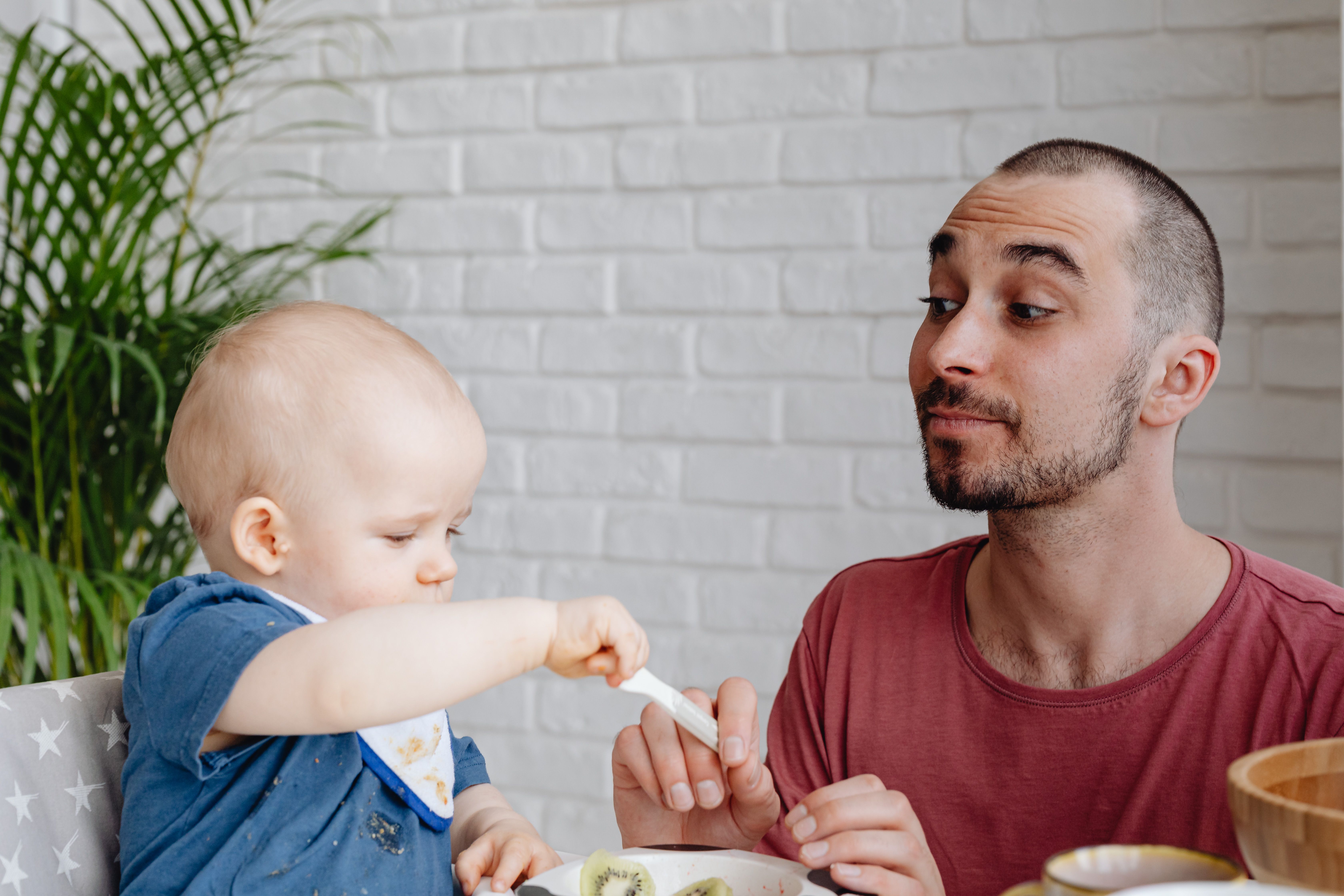
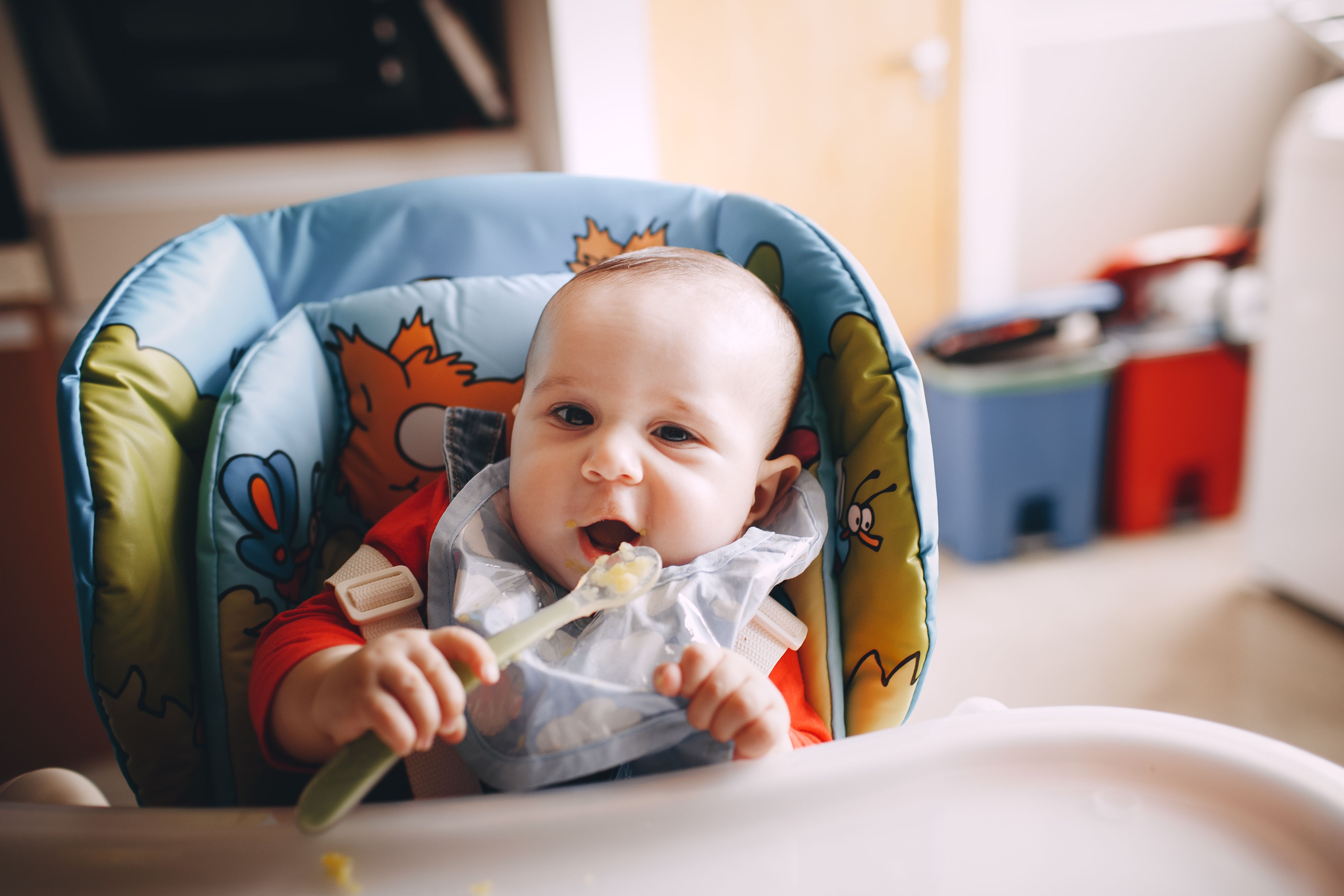
The idea that babies can feed themselves from the very first bite has caught on fast. The research is encouraging, with a few important caveats.

A two-year-old in full meltdown is not misbehaving. They are, in a very real neurological sense, overwhelmed. Understanding that changes everything.

The debate is loud, but the actual evidence on sleep training is, once again, more reassuring than the cultural conversation suggests.

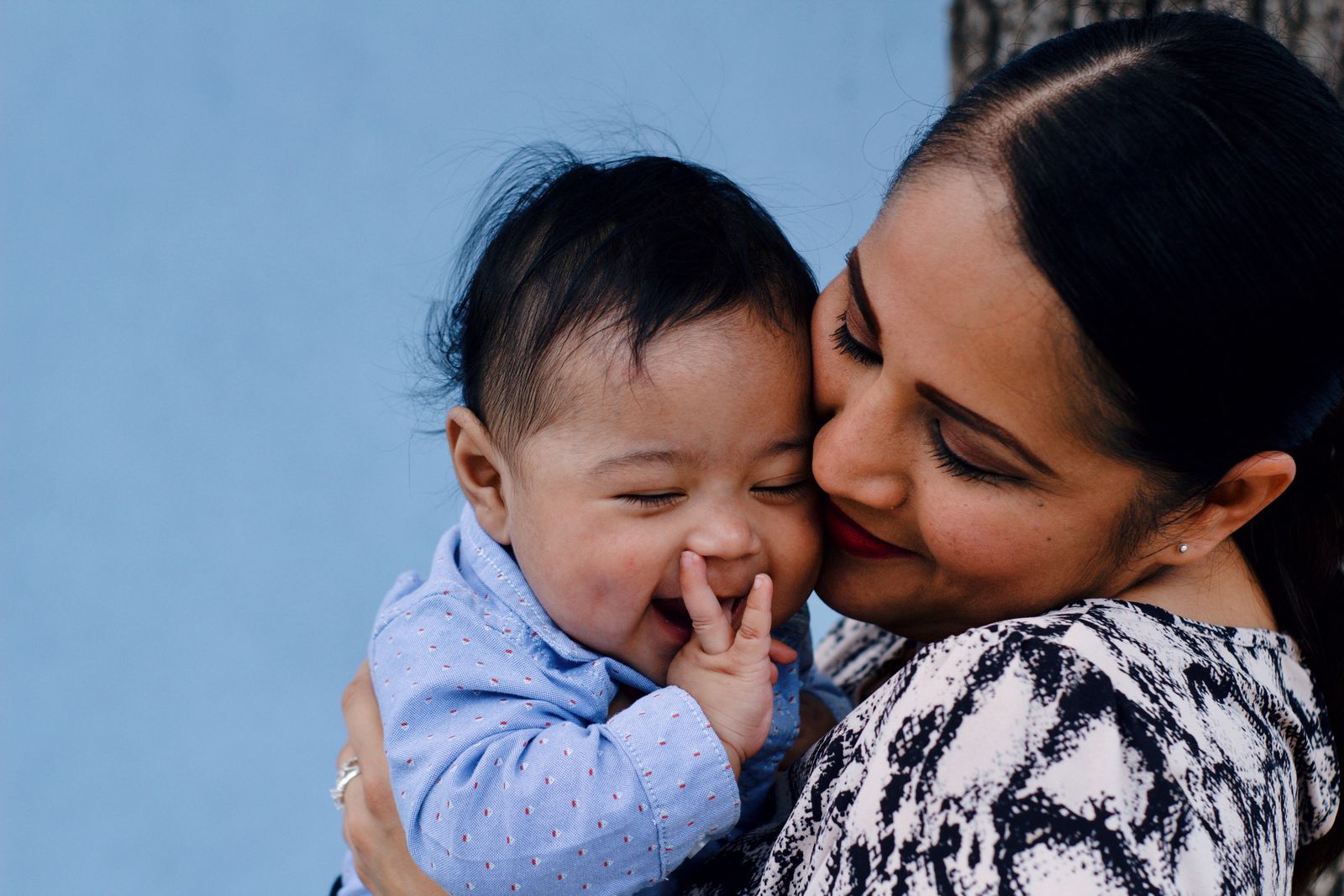
Holding a naked baby against your bare chest seems too simple to matter. The evidence says it matters enormously.
Editor's Pick

The "30 million word gap" became one of the most cited statistics in education. The real story is more interesting, and more hopeful, than the number.

The idea that babies can feed themselves from the very first bite has caught on fast. The research is encouraging, with a few important caveats.

A two-year-old in full meltdown is not misbehaving. They are, in a very real neurological sense, overwhelmed. Understanding that changes everything.

The debate is loud, but the actual evidence on sleep training is, once again, more reassuring than the cultural conversation suggests.
Editor's FeatureThe debate is loud, but the actual evidence on sleep training is, once again, more reassuring than the cultural conversation suggests.
The Feedlittle Newsletter
One carefully researched article every week, on feeding, sleep, development, and the science of raising small humans. No spam, no hype, just evidence you can use.
Join 12,000+ parents. Unsubscribe anytime.
Category
PregnancyThe first twelve weeks of pregnancy are a whirlwind of invisible transformation. Here is what is happening inside your body, and what is actually worth worrying about.
Category
Newborn CareThe concept of the "fourth trimester" is more than a cute phrase. It is a framework for understanding what a newborn needs and why the first twelve weeks are unlike any other period.
Category
Feeding & NutritionThe recommendations are clear, but the research behind them is more nuanced, and more reassuring, than most parents realize.
The Library
Browse the full archive by topic or search for something specific.

From conception to age two, a child's brain forms more than a million new neural connections every second. What happens in this window echoes for decades.

The recommendations are clear, but the research behind them is more nuanced, and more reassuring, than most parents realize.

The headlines are scary. The research is more nuanced. Here is what the evidence actually shows about screens and the under-three set.

The Back to Sleep campaign saved thousands of lives. Tummy time is the simple, evidence-based answer to the developmental trade-off it created.

The "30 million word gap" became one of the most cited statistics in education. The real story is more interesting, and more hopeful, than the number.

The idea that babies can feed themselves from the very first bite has caught on fast. The research is encouraging, with a few important caveats.

A two-year-old in full meltdown is not misbehaving. They are, in a very real neurological sense, overwhelmed. Understanding that changes everything.

The debate is loud, but the actual evidence on sleep training is, once again, more reassuring than the cultural conversation suggests.

Holding a naked baby against your bare chest seems too simple to matter. The evidence says it matters enormously.

A persistent myth says that raising a child with two languages delays their development. The research says the opposite.

Time outside is not a nice-to-have. It is a developmental requirement, and the research is clearer than most parents realize.

If your toddler lives on crackers and refuses anything green, you are not failing. The research on picky eating is reassuring, and the path through it is clearer than you might think.

Parents have sung to their babies for as long as there have been parents. The research is finally catching up to what they always knew.

Around four months, a baby's sleep doesn't get worse by accident. It gets reorganized. Understanding what is happening can change everything about how you survive it.

Nap schedules are one of the most common sources of confusion for parents. The answers are more flexible than the rigid schedules in parenting books suggest.

No topic in pediatric medicine has been studied as thoroughly as vaccine safety. The evidence is as close to settled as science gets.

A fever in a child can be alarming. But fever is not the enemy. It is one of the body's most ancient and effective defense mechanisms.

Postpartum depression affects an estimated one in seven new mothers. It is the most common complication of childbirth, and it is treatable.

Childhood anxiety is more common than most parents realize. The good news is that anxiety is one of the most treatable mental health conditions in children.

For generations, crawling has been treated as a universal milestone. The reality, as developmental researchers have known for years, is more interesting.

For years, parents were told to delay introducing common allergens. The research has completely overturned this advice. Early introduction may actually prevent food allergies.

The Montessori method is one of the most influential educational philosophies in the world. But does it actually work? The research, while not unanimous, is largely positive.

The instinct of many modern parents is to fill every moment of a child's day. The research suggests this is a mistake. Boredom is not a problem to be solved. It is a developmental need.

From tracking feeds to monitoring pumping output, the right app can make breastfeeding less overwhelming. We reviewed the top options on the market.

The first twelve weeks of pregnancy are a whirlwind of invisible transformation. Here is what is happening inside your body, and what is actually worth worrying about.

The phrase "eating for two" is misleading. The quality of what you eat matters far more than the quantity. Here is what the research actually says.

The old advice to rest during pregnancy has been overturned. Moderate exercise is not just safe; it is beneficial for both mother and baby.

Depression and anxiety in pregnancy are more common than most people realize, and they are treatable. The first step is recognizing that they are not a failure.

The concept of the "fourth trimester" is more than a cute phrase. It is a framework for understanding what a newborn needs and why the first twelve weeks are unlike any other period.

More than half of all newborns develop jaundice. Most cases are harmless, but some need treatment. Here is how to tell the difference.

Before your baby leaves the hospital, a few drops of blood from their heel will be tested for dozens of rare but serious conditions. Here is what that screen actually looks for.

The advice on how to care for a newborn's umbilical cord stump has changed dramatically. Here is what the current evidence recommends.